
Table of Contents
- What Is Butter Lettuce
- What Is Bibb Lettuce
- Key Visual and Structural Differences
- Taste and Texture in Everyday Cooking
- Nutrition: Bibb Lettuce vs Butter Lettuce
- Health Value and Diet Use
- Food Safety and Freshness
- Buying Guide by Location
- Storage and Shelf Life
- Practical Uses in the Kitchen
- The Chemistry of Dressing Adhesion
- Understanding The Butterhead Family Tree
- The Benefits of Living Lettuce
- Step-by-Step Cleaning Guide for Loose Heads
- Choosing the Right Lettuce for the Right Task
- Updated Insights and Market Trends
- Price Comparison and Value
- Environmental Considerations
- Common Concerns and FAQs
- Conclusion
Many people search for bibb lettuce vs butter lettuce because the two look alike and taste similar. The short answer is this. Bibb lettuce is a specific type of butter lettuce. All Bibb lettuce is butter lettuce, but not all butter lettuce is Bibb lettuce. Both are soft, mild, and easy to eat. They work well in salads, wraps, and light meals.
Butter lettuce is a broad group of lettuces with loose heads and tender leaves. Bibb lettuce is one named variety in that group. It was first grown in the United States and is often sold with the roots attached. When choosing between them, the real differences come down to size, texture, price, and availability rather than major nutrition gaps.
This guide explains bibb lettuce vs butter lettuce using clear language and current data. It covers taste, nutrition, health value, safety, storage, and best uses at home. It also includes location-based buying tips and answers common questions people ask online.
What Is Butter Lettuce
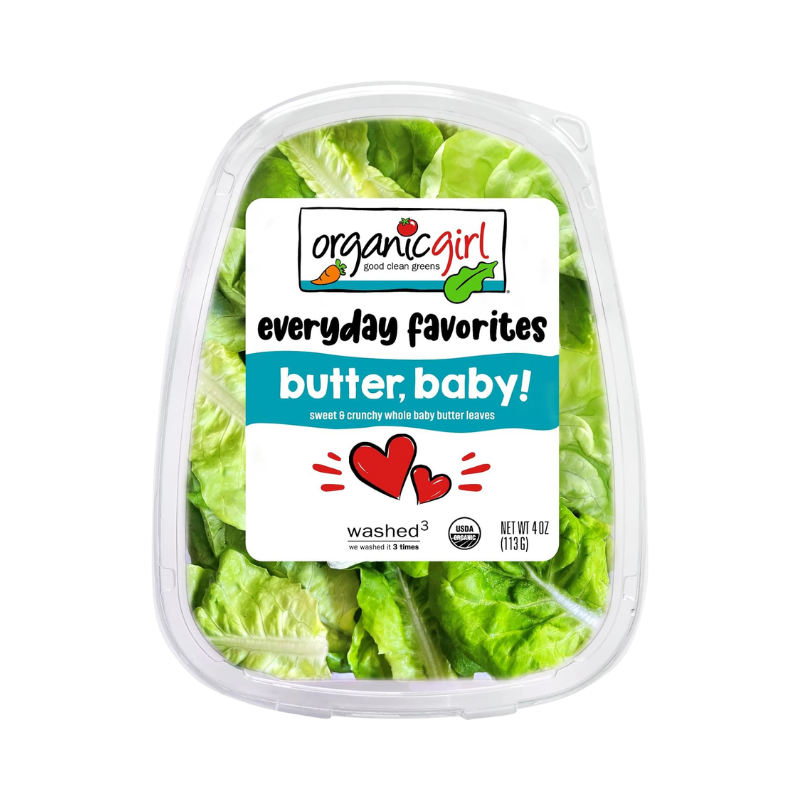
Butter lettuce is a soft-leaf lettuce known for its smooth texture and mild flavor. The leaves are usually light green and form a loose, round head. The taste is slightly sweet with no bitterness.
Common butter lettuce types include Boston lettuce, Bibb lettuce, and several modern hybrids. Grocery stores often label all of them as “butter lettuce” for simplicity. This can confuse buyers who want a specific variety.
Butter lettuce grows well in cool weather. It is widely used in salads, sandwiches, and lettuce wraps. Chefs like it because the leaves bend without breaking and feel gentle on the tongue.
Butter Lettuce
What Is Bibb Lettuce
Bibb lettuce is a named variety of butter lettuce. It was developed in Kentucky in the 1800s by John Bibb. It is sometimes called limestone lettuce because of where it was first grown.
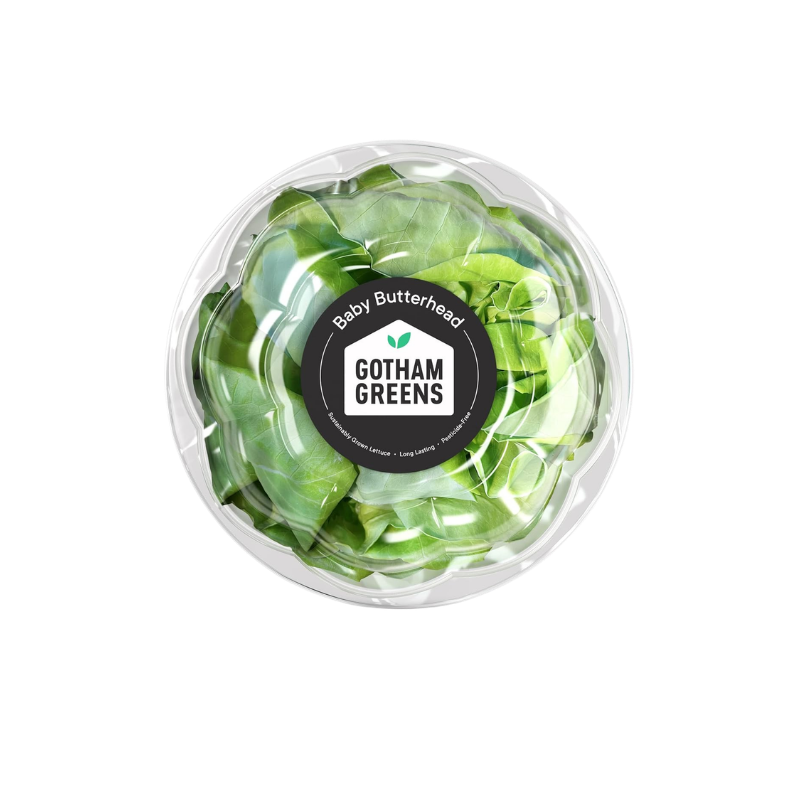
Bibb lettuce has smaller heads than most butter lettuce types. The leaves are very soft and slightly thicker. The color is often light green with a pale yellow center. Many stores sell Bibb lettuce with the roots still attached to keep it fresh longer.
In the Bibb lettuce vs butter lettuce comparison, Bibb lettuce is often seen as the premium option. It costs more and is common in upscale grocery stores and restaurants.
Bibb Lettuce
Key Visual and Structural Differences
Butter lettuce heads are usually medium to large. Bibb lettuce heads are smaller and more compact. Bibb lettuce leaves often feel more velvety.
Butter lettuce sold in bulk bins may include several varieties mixed. Bibb lettuce is often sold as a whole head in a plastic clamshell. These packaging choices affect price and shelf life.
Quick Comparison Table
| Feature | Bibb Lettuce | Butter Lettuce (General) |
|---|---|---|
| Type | Specific variety | Category of lettuces |
| Head size | Small | Medium to large |
| Texture | Very soft, thick | Soft, thin |
| Flavor | Mild, slightly sweet | Mild, slightly sweet |
| Typical price | Higher | Lower to moderate |
| Packaging | Often with roots | Loose or bagged |
Taste and Texture in Everyday Cooking
Both lettuces taste mild and clean. Neither has the sharp bite found in romaine or arugula. This makes them good for people who dislike bitter greens.
Bibb lettuce leaves feel slightly richer in the mouth. Butter lettuce leaves can feel a bit lighter and thinner. In most dishes, the difference is subtle.
For simple salads, either works well. For lettuce wraps or plated salads where appearance matters, Bibb lettuce is often preferred.
Nutrition: Bibb Lettuce vs Butter Lettuce
Nutritionally, the two are very close. Since Bibb lettuce is a butter lettuce type, the nutrient profile overlaps almost fully.
Both are low in calories and high in water. They provide small but useful amounts of vitamins and minerals. They are not nutrient-dense like kale, but they support hydration and light nutrition.
Nutrition Per 100 Grams (Raw)
| Nutrient | Bibb Lettuce | Butter Lettuce |
|---|---|---|
| Calories | 13 kcal | 13 kcal |
| Water | ~95% | ~95% |
| Vitamin A | ~3300 IU | ~3300 IU |
| Vitamin K | ~24 mcg | ~24 mcg |
| Folate | ~38 mcg | ~38 mcg |
| Fiber | ~1.1 g | ~1.1 g |
Nutrition data is based on averages reported by the USDA FoodData Central database.
Health Value and Diet Use
Butter lettuce and Bibb lettuce support weight control because they are low in calories. You can eat large portions without high energy intake. This helps with meal volume and fullness.
The high water content supports hydration. The fiber content is modest but helps digestion. Vitamin K supports normal blood clotting and bone health.
These lettuces are safe for most diets. They fit vegetarian, vegan, low-fat, and heart-healthy eating plans. They do not provide enough protein or iron alone, so they should be paired with other foods.
Food Safety and Freshness
Leafy greens can carry bacteria if handled poorly. This applies to both Bibb lettuce and butter lettuce. Washing before use is important, even for pre-washed packs.
The Centers for Disease Control and Prevention advises rinsing leafy greens under running water and drying them with a clean towel.
Bibb lettuce sold with roots attached may stay fresh longer. The roots help reduce moisture loss. Still, proper refrigeration is needed.
Buying Guide by Location
Availability and price differ by region. Knowing local patterns helps when choosing between bibb lettuce and butter lettuce.
United States and Canada
Butter lettuce is widely available year-round. Bibb lettuce is common in large grocery chains and farmers’ markets. Prices rise in winter due to greenhouse growing.
Europe
Butter lettuce is more common than labeled Bibb lettuce. Bibb may be sold under local butterhead names. Texture and taste remain similar.
South Asia and Southeast Asia
Butter lettuce is often imported or grown hydroponically. Bibb lettuce is less common and usually higher priced. Local farms may label all butter types as “butter lettuce.”
Middle East
Hydroponic butter lettuce is common in urban areas. Bibb lettuce is usually imported and sold in premium stores.
Storage and Shelf Life
Butter lettuce lasts about 5 to 7 days in the fridge. Bibb lettuce with roots may last up to 10 days. Storage conditions matter more than the type.
Store lettuce in the crisper drawer. Keep it dry and loosely wrapped. Do not seal it airtight.
Remove damaged leaves early. This slows spoilage. Wash only before use to avoid excess moisture.
Practical Uses in the Kitchen
Both lettuces work in many simple meals. Choose based on size and look.
Common uses include:
- Fresh salads with light dressing
- Lettuce wraps for chicken or tofu
- Sandwich and burger layers
- Garnish for plated dishes
Bibb lettuce is often used for wraps because the leaves hold shape well. Butter lettuce is often chopped for family-style salads.
The Chemistry of Dressing Adhesion
The texture of lettuce affects how dressing behaves on the leaf. Bibb lettuce has a velvety surface with thin cell walls and high water content. This structure causes heavy dressings to pool and slide rather than coat evenly.
Oil-based emulsified dressings work best with Bibb lettuce. Examples include vinaigrettes made with olive oil, avocado oil, or mild nut oils. The oil droplets bind lightly to the leaf surface without breaking the cell structure. This reduces bruising and prevents rapid wilting.
Cream-based dressings contain water, fat, and stabilizers that add weight. On delicate butterhead leaves, this weight collapses leaf cells. The result is a soggy texture and flavor loss within minutes. This effect is more visible with Bibb lettuce than with thicker greens like romaine.
For best results, use light emulsions and apply dressing just before serving. Toss gently by hand rather than using utensils. This preserves leaf shape and mouthfeel while improving flavor distribution.
Understanding The Butterhead Family Tree
Butter lettuce is part of the butterhead lettuce group. This group includes several distinct varieties with shared traits. All have soft leaves, loose heads, and mild flavor. The differences matter for sourcing, pricing, and use.
Bibb Lettuce
Bibb lettuce is compact and dense for its size. Leaves are thick and tender with a smooth finish. Heads are small, which makes portion control easier in plated meals. Bibb lettuce is often grown hydroponically and sold with roots attached.
Boston Lettuce
Boston lettuce is the larger cousin in the butterhead family. Heads are broader and lighter in weight. Leaves are thinner than Bibb lettuce but still soft. Boston lettuce is commonly field-grown and sold without roots.
Boston lettuce works well for chopped salads and family-style bowls. Because the leaves are larger, it is often more cost-effective per serving than Bibb lettuce.
Modern Hybrids: Santoro and Mirlo
Santoro and Mirlo are modern butterhead hybrids developed for consistency and shelf life. They are bred for uniform size and resistance to bruising. Flavor remains mild, though texture is slightly firmer than traditional Bibb.
These hybrids are widely used in commercial food service. They hold up better during transport and storage. Many grocery stores sell them under generic “butter lettuce” labels.
This variety of knowledge helps buyers understand why appearance and price vary even when the label looks the same.
The Benefits of Living Lettuce
Many Bibb lettuce products are sold as living lettuce. This means the roots remain attached at harvest. The plant stays alive until use.
Keeping the root ball intact allows continued metabolic activity. Respiration slows but does not stop. This delays nutrient breakdown, especially vitamin C, which degrades quickly after harvest.
Studies on leafy greens show that cut-leaf lettuce loses vitamin C faster than intact plants during cold storage. Living lettuce also loses moisture more slowly. This improves texture and reduces browning.
Hydroponic systems allow precise control of water and nutrients. This reduces soil contamination risk and lowers pesticide use. For consumers, living lettuce offers longer shelf life and more predictable quality.
To store living lettuce, keep roots moist but not submerged. Stand the head upright in the refrigerator crisper. This can extend freshness by several days compared to cut heads.
Step-by-Step Cleaning Guide for Loose Heads
Loose-head lettuces like Bibb and butter lettuce need careful cleaning. Their layered leaves can trap dirt and microbes.
Follow these steps for safe preparation.
- Remove the outer leaves and discard them. These are most exposed during harvest and transport.
- Separate the remaining leaves gently. Avoid tearing unless needed for the recipe.
- Rinse leaves under cold running water. Do not soak them in a sink or bowl. Running water removes surface contaminants more effectively.
- Inspect the base of each leaf. Pay attention to folds and veins where debris collects.
- Dry leaves using a clean towel or salad spinner. Excess moisture speeds spoilage and dilutes dressing.
- Store cleaned leaves in a breathable container lined with a dry paper towel. Use within two days.
Do not use soap or produce washes. Clean water is sufficient. This method aligns with public food safety guidance for leafy greens.
Choosing the Right Lettuce for the Right Task
Understanding structure and handling helps in daily cooking. Bibb lettuce works best when appearance and texture matter most. Butter lettuce is better for volume and flexibility.
Use Bibb lettuce for plated salads, lettuce wraps, and light starters. Use butter lettuce for mixed salads, sandwiches, and meal prep bowls.
When shopping, check leaf firmness and color. Avoid heads with slime, strong odor, or darkened centers. Fresh butterhead lettuce should feel cool and springy, not limp.
These small choices improve flavor, safety, and value at home while reinforcing informed food use.
Updated Insights and Market Trends
Consumer interest in soft lettuces has grown. Many buyers prefer mild greens over bitter ones. This trend supports steady demand for butter lettuce types.
A 2024 report from the Food and Agriculture Organization shows increased greenhouse lettuce production worldwide. Hydroponic butter lettuce, including Bibb types, is a key driver.
Retailers now market lettuce by texture and use rather than by strict variety names. This explains why “butter lettuce” labels are more common than “Bibb lettuce.”
Price Comparison and Value
Bibb lettuce usually costs more per head. Butter lettuce sold loose often costs less per serving. The price gap depends on packaging and growing method.
| Product Type | Average Price (US) |
|---|---|
| Bibb lettuce, whole head | $2.50–$4.00 |
| Butter lettuce, loose | $1.50–$3.00 |
| Hydroponic butter lettuce | $3.00–$5.00 |
Prices vary by region and season. Data reflects average retail pricing reported by U.S. grocery market surveys in 2024–2025.
Environmental Considerations
Hydroponic lettuce uses less land and water than field-grown lettuce. Many Bibb lettuce products are hydroponic. This lowers pesticide use and transport loss.
Field-grown butter lettuce may use fewer inputs if grown locally. Buying local reduces transport emissions.
The environmental impact depends more on farming method than on whether it is Bibb or butter lettuce.
Common Concerns and FAQs
No. Bibb lettuce is a type of butter lettuce. Their nutrition is nearly the same. Any difference is too small to matter for most diets. Nutrition data from the USDA confirms this.
Yes. They are interchangeable in almost all recipes. Texture and flavor are very close. Only size and appearance may differ.
Both are good for weight loss. They are low in calories and high in water. Pair them with protein for balanced meals.
Yes, when handled properly. Wash before use. Follow food safety guidance from the CDC.
Bibb lettuce is often grown hydroponically and sold as a whole head with roots. This adds cost. Packaging and branding also raise the price.
Usually yes. Heads sold with roots often stay fresh longer. Proper storage is still required.
Many people find it easy to digest due to the soft fiber. It is often tolerated better than tougher greens. Individual response can vary.
Conclusion
The bibb lettuce vs butter lettuce question has a simple answer. Bibb lettuce is one type of butter lettuce. The differences are minor and focus on size, texture, price, and presentation. Nutrition, safety, and health value are almost the same.
Choose Bibb lettuce when you want small, neat leaves and a longer shelf life. Choose butter lettuce when you want flexibility and lower cost. Both fit well into balanced meals and modern diets.
Understanding these details helps you shop with confidence and use each lettuce type effectively at home.